Amazon Web Services (AWS) is a leading provider of cloud computing recently. Netflix, Dropbox, LinkedIn, BBC, Facebook, and ESPN are using AWS services, and AWS has a much wider range of services on their own for use in the cloud industry.
This is a new series where I’m going to be blogging about AWS certifications and how we can prepare for these certifications. Before that, we should have to get a proper understanding of what cloud computing is.
What is cloud computing?
“Cloud computing is an on-demand delivery of IT resources over the Internet with pay-as-you-go pricing. You can access technology services, such as computing power, storage, and databases, on an as-needed basis from a cloud provider like AWS.” – According to the AWS definition
Organizations of every type, size, and industry are using the cloud for a wide variety of use cases, such as data backup, disaster recovery, email, virtual desktop, software development, testing, big data analytics, and customer-facing web apps.
for Example:
i. Health care companies are using the cloud to develop more personalized treatments for patients.
ii. Financial service companies using a cloud to power real-time fraud detection and prevention
iii. Video game makers are using the cloud to deliver online games to millions of players around the world.
Using cloud computing reduces cost and instantly scales and deploys globally in minutes. Cloud computing gives you instant access to a broad range of technologies so you can innovate faster and build nearly anything you can imagine, from infrastructure services such as compute, storage, and database to the Internet of Things, machine learning, data analytics, and much more.
You can deploy technology services in a matter of minutes and get from idea to implementation several orders of magnitude faster than before. The sector gives you a different experience and transforms your knowledge about the latest technologies.
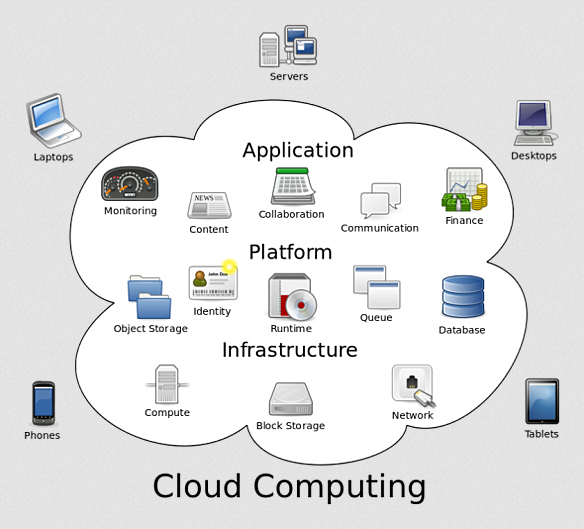
Adding machine learning and intelligence to your applications in order to personalize the experience and improve the engagement. You don’t need to make a large upfront investment in hardware and overpay for capacity you don’t use. Instead, you can trade capital expense for the variable expense and only pay for IT as you consume it. With cloud computing, you access resources from the cloud in real-time as they’re needed. You can scale these resources up and down to grow and shrink capacity instantly as your needs change.
Cloud computing also makes it easy to expand to new regions and deploy globally in minutes.

For example:
AWS has infrastructure all over the world, so applications in multiple physical locations are just a few clicks away. Putting applications in closer proximity to end-users reduces latency and improves their experience. No matter your location, size, or industry, the cloud frees you from managing infrastructure and data centers, so you can focus on what matters most to your business.
Main Key Benefits of Cloud Computing
01. Efficiency / Cost reduction
02. Data Security
03. Scalability
04. Mobility
05. Disaster recovery
06. Competitive Edge
Conclusion
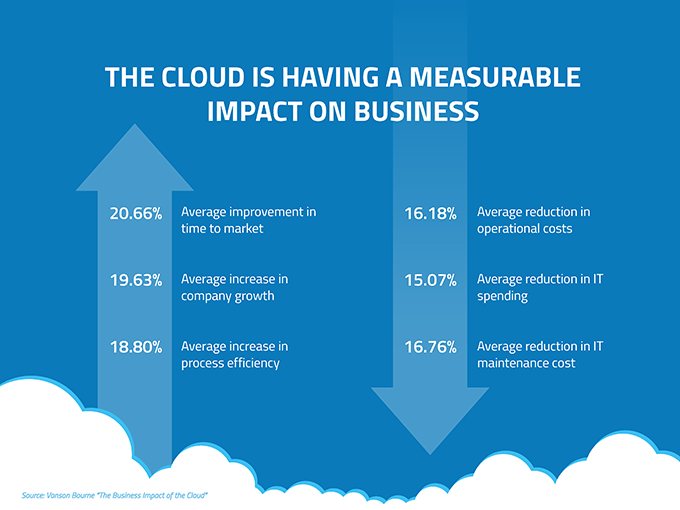
Cloud computing adoption is on the rise every year, and it doesn’t take long to see why. Enterprise recognizes cloud computing benefits and sees how they impact their production, collaboration, security, and revenue. By using a cloud-based solution, an enterprise can prevent a lot of problems that plague organizations they rely on for on-premises infrastructure.
Comments (...)
You must be signed in to join the discussion.